
Kalevala x Vammaiset tytöt (Disabled girls)
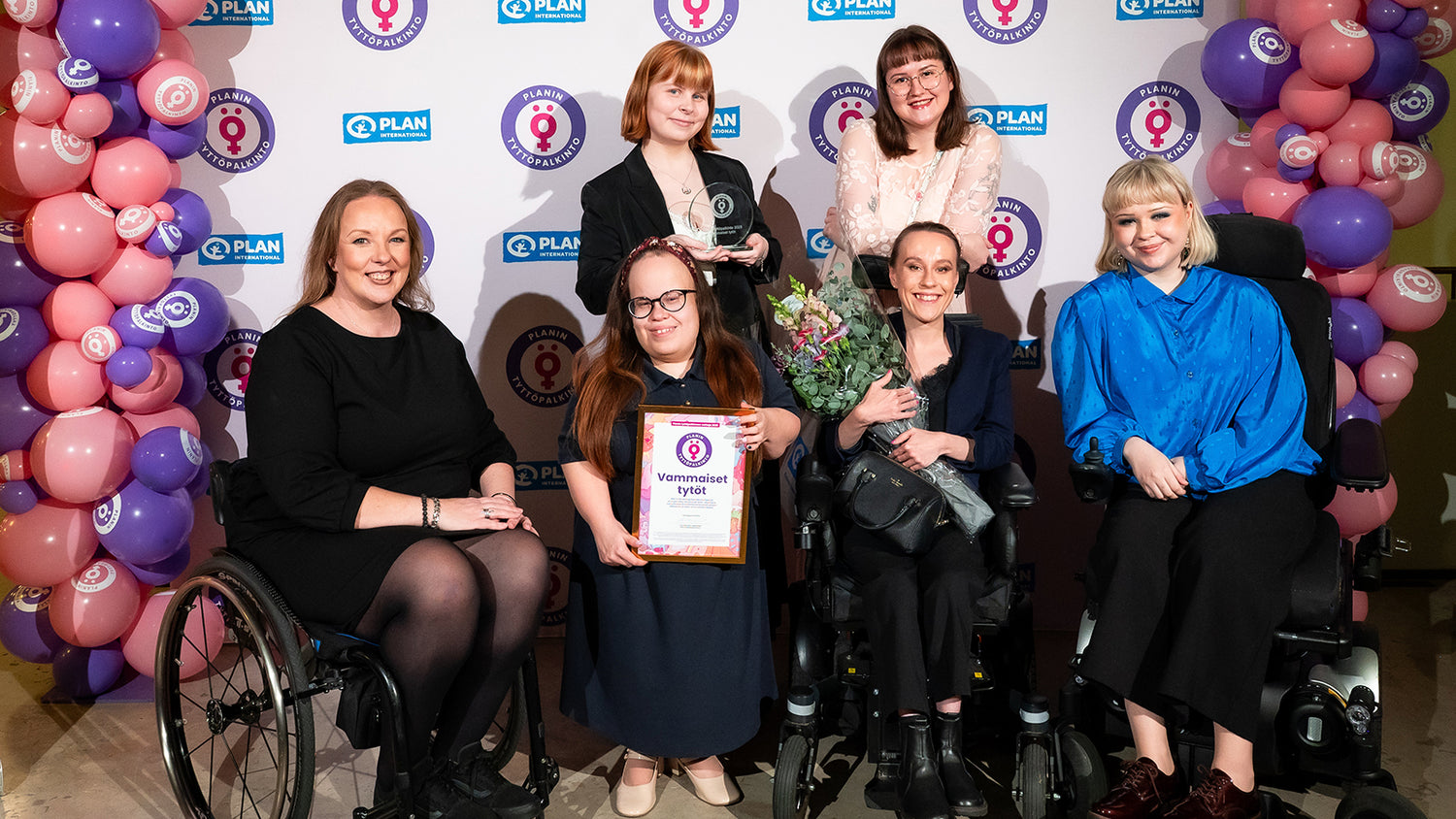
Vammaiset tytöt (Disabled Girls) media wins the Plan Girls’ award
Plan International Finland has granted the 2025 Plan Girls’ Award to Vammaiset tytöt (Disabled Girls), a media and community that amplifies the voices of disabled girls and strengthens their participation in society. The jury described the community as “a model example of genuine inclusion, diversity, and working together toward a common goal.”
“Through our community, we want to make disabled girls more visible. It’s a group that’s otherwise quite invisible,” says young producer Anniina Lehtinen. “The community connects girls of different ages and disabilities across regions,” adds Anni Täckman, the organization’s manager.
Congratulations to the entire Vammaiset tytöt community on the award and your outstanding work!
Photo by Aaro Keipi
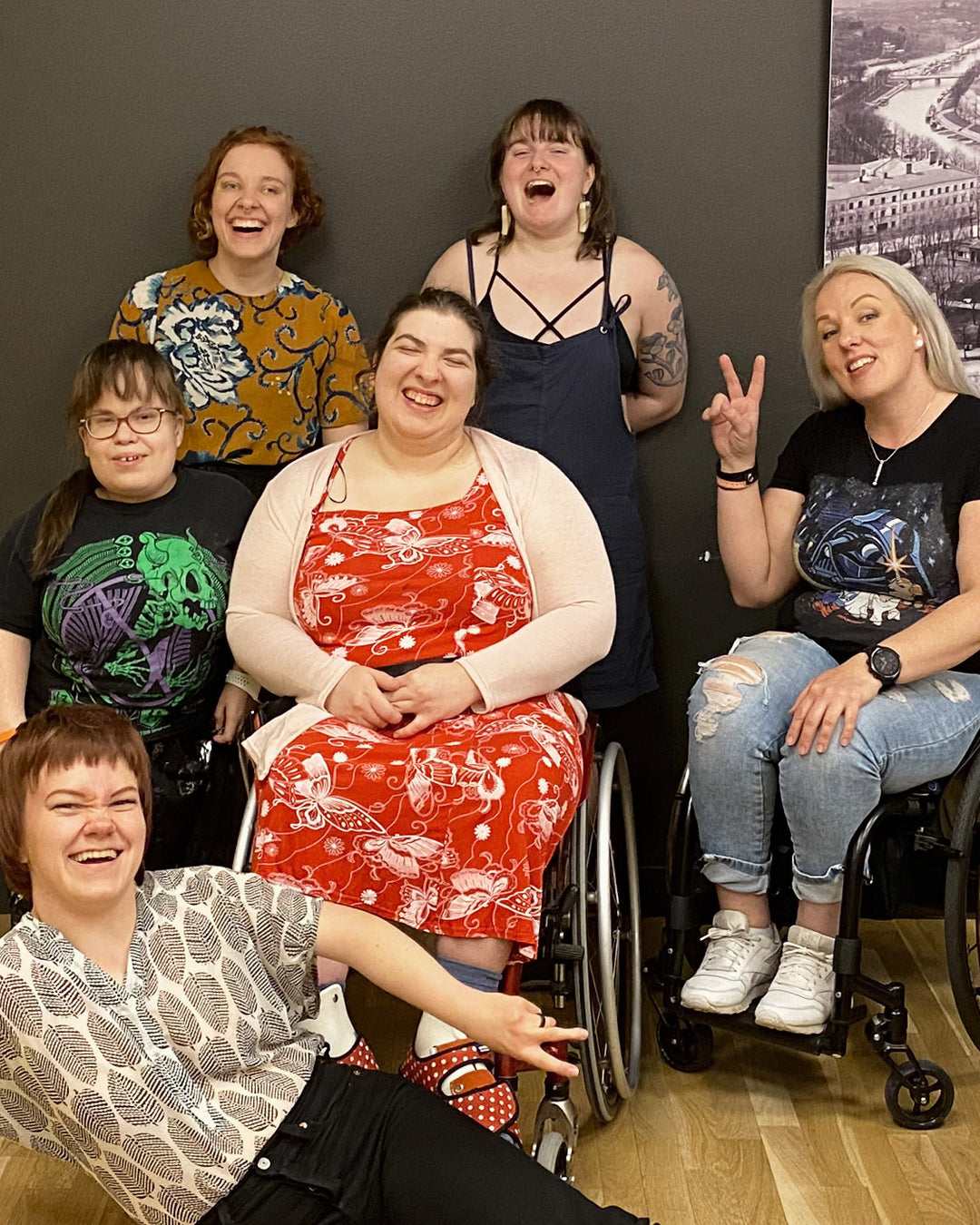
Girls and women with disabilities are still invisible and marginalized in Finnish society
Silent, invisible, stigmatized. Girls and women with disabilities remain invisible and marginalized in Finnish society.
The collaboration between Kalevala Jewelry and Rusetti ry promotes the visibility of disabled women and girls by encouraging and strengthening confidence in themselves, their abilities, and their opportunities.
Kalevala Jewelry has funded the digital platform and media vammaisettytöt.fi, which enhances interaction, experience-sharing, and a sense of belonging among girls and young women with disabilities. The website vammaisettytöt.fi is a platform where girls and women produce content for and by each other, connect, discover their own strengths, and become visible.
The Vammaisettytöt.fi project is aimed at people identified as disabled girls or women aged 13–29.
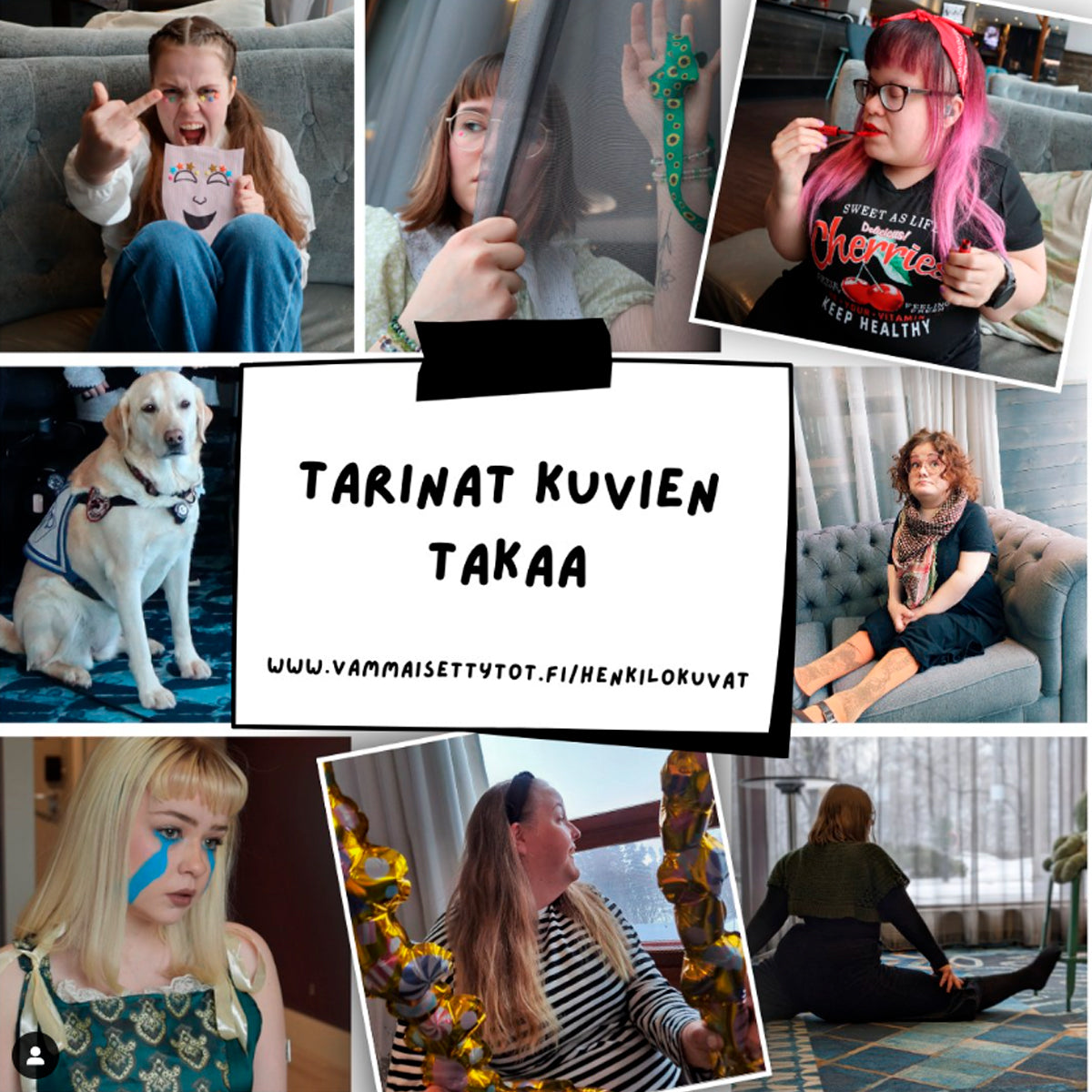
The Vammaisettytöt.fi website is the first media in Finland created by disabled girls for disabled girls. The goal of the collaboration between Kalevala Jewelry and Rusetti ry is to make disabled girls and women visible.
With the funding, camps are also organized for girls with disabilities. These camps aim to foster meaningful encounters, openly discuss life experiences among peers, and explore personal paths to empowerment. This peer-to-peer initiative seeks to reach disabled girls and women across Finland as widely as possible.
Explore the media created by disabled girls at www.vammaisettytot.fi – and follow on Instagram.
The position of disabled girls and women in Finland is still weak.
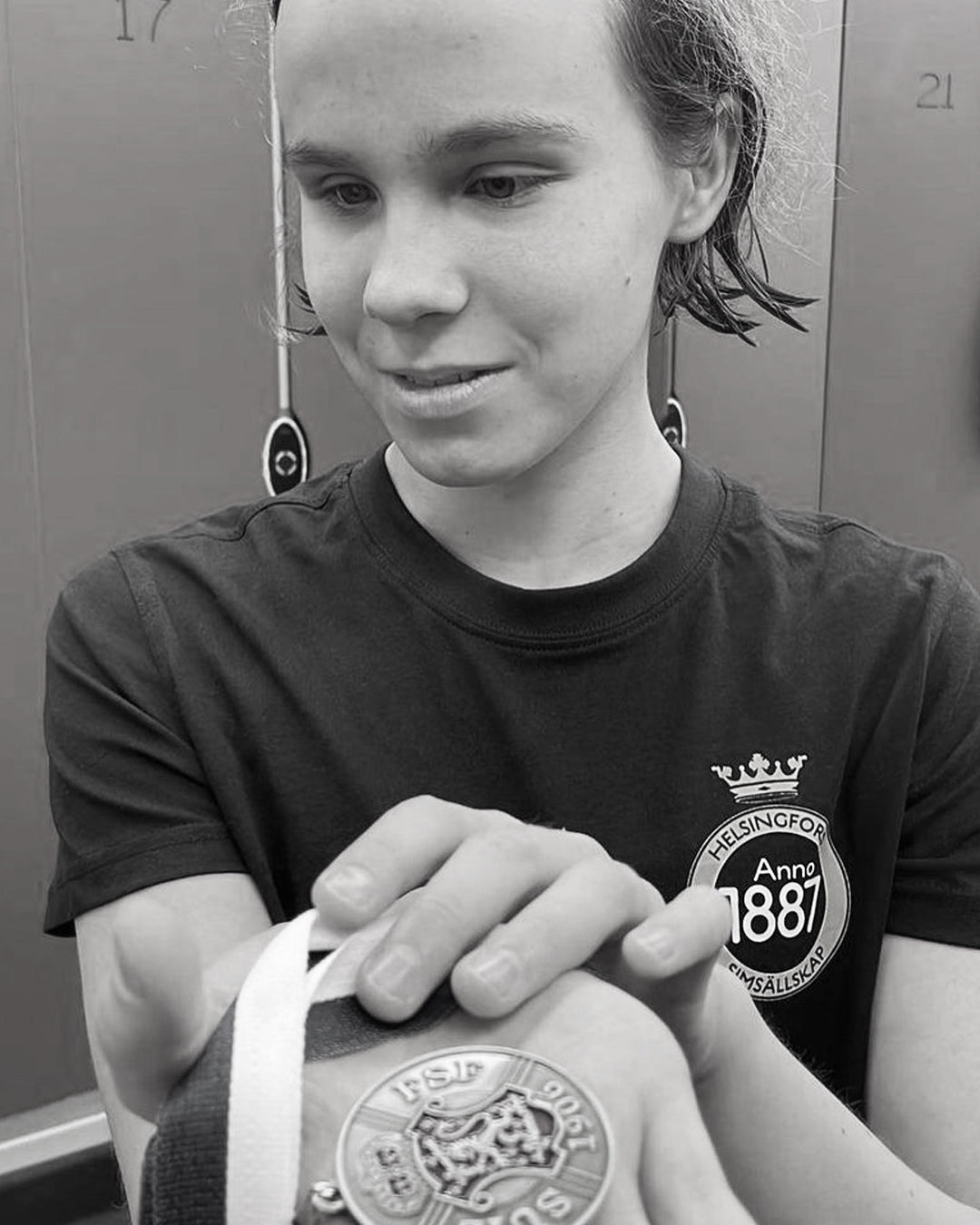
What issues should be talked about more in Finland?
Three powerful voices share their thoughts in the Kalevala Journal article. One of them is Ronja Hampf, a young and talented elite athlete and Paralympic hopeful, who hopes that people would always be seen simply as human beings — not through the lens of minority status. "Whether you're disabled, gay, transgender, or anything else, in the end you're just human."
Read the compelling reflections of Ronja Hampf, Anni Täckman, and Sanni Purhonen on minority rights in the Kalevala Journal.
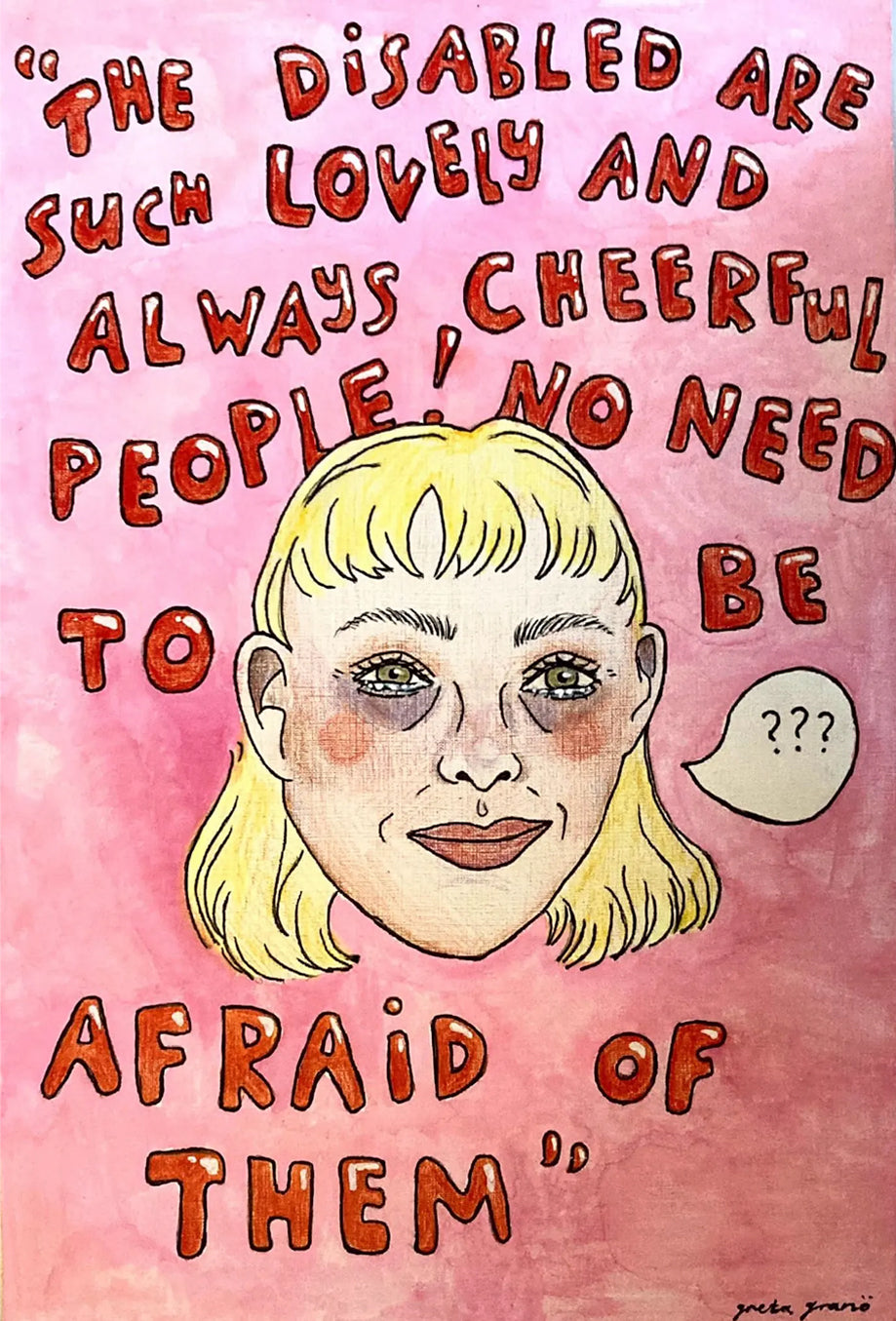
For people with disabilities, Finland is still not a model country for equality
"The discussion about disability in Finland is generally plagued by a strange lack of ambition and analytical depth. There is still a long way to go from being an object of care to becoming a full-fledged citizen. As if disability were not a part of humanity, but rather a problem to be forcibly solved using a one-size-fits-all approach. Once the minimum level of well-being has been reached, one is not supposed to hope for more — or at least not to voice those hopes aloud."
This is how journalist and spokesperson for Kynnys, a human rights organization for people with disabilities, Sanni Purhonen describes the situation of disabled people in an article she wrote.
Read the article "From words to deeds" in the Kalevala Journal.
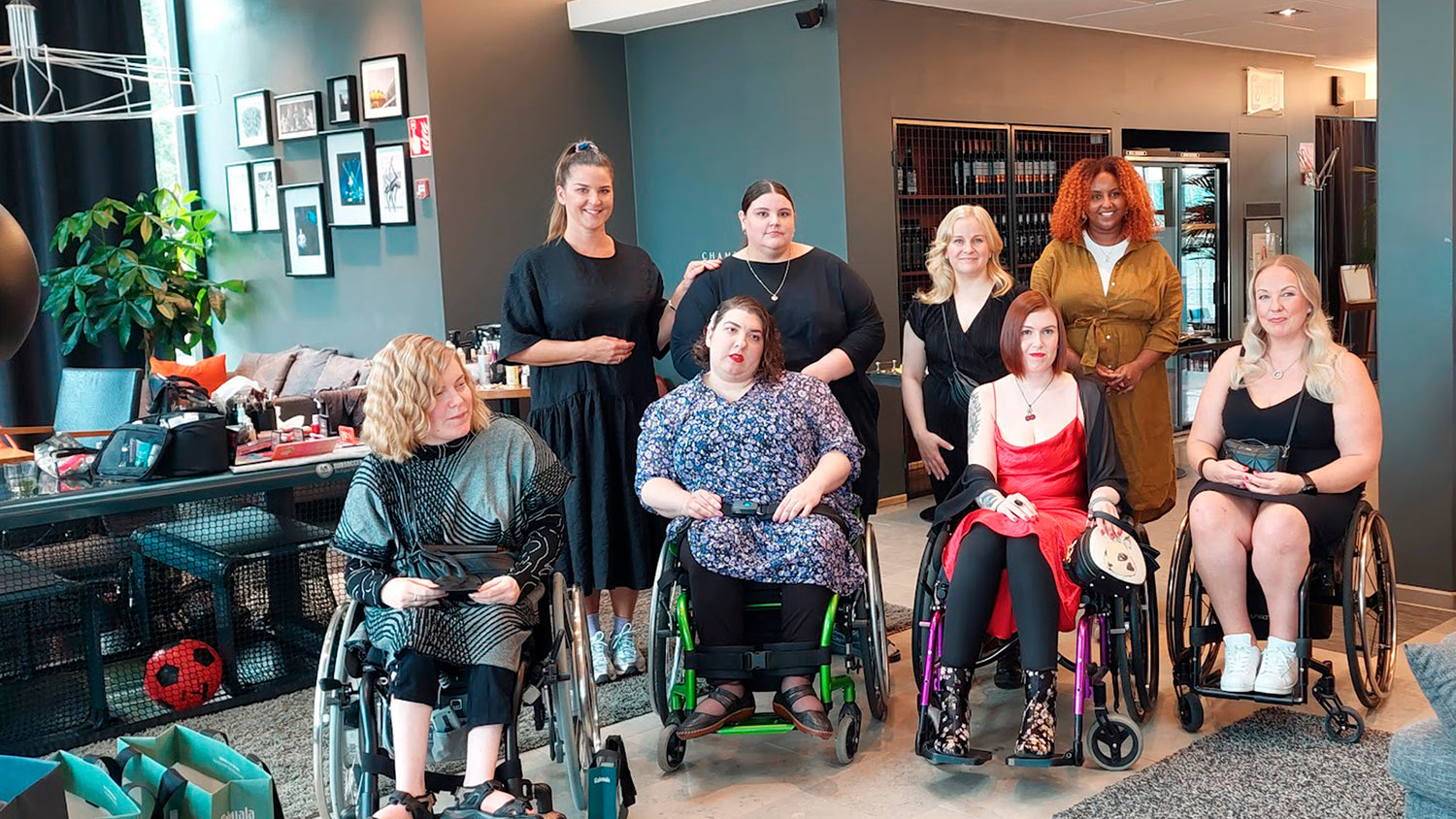
What is Rusetti?
Rusetti, the national association of disabled women in Finland, was founded in 2016 to encourage disabled girls, women, and those who identify as girls or women to take care of their well-being, pursue their dreams, and become empowered.
Through its advocacy work, Rusetti highlights gender-specific perspectives concerning disabled girls and women, and actively promotes the implementation of the UN Convention on the Rights of Persons with Disabilities (CRPD) with a focus on women’s rights in Finland.
Learn more about Rusetti’s work.