
Journal
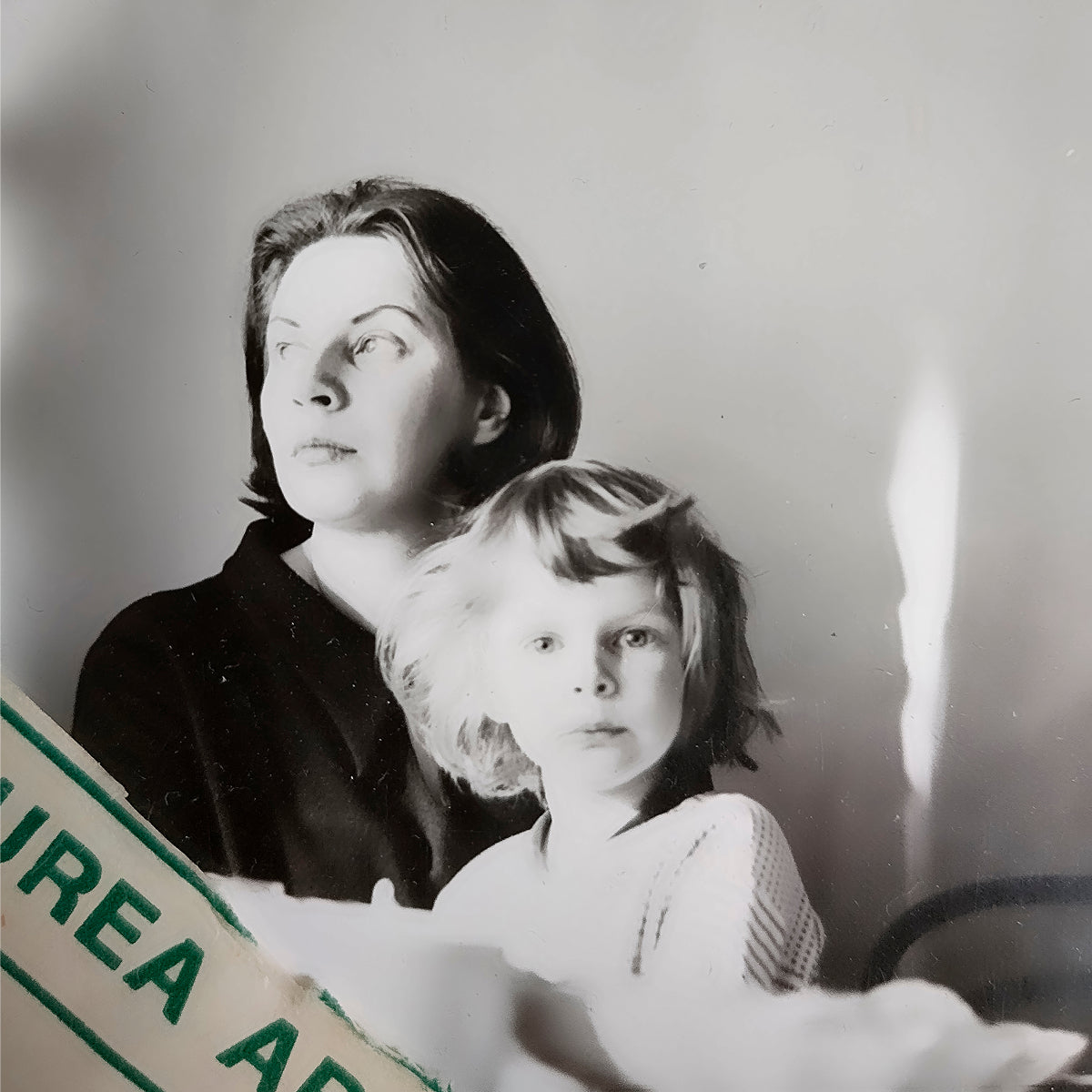
Designer Portrait
Paula Häiväoja
”Paula was a little bit from another planet – or from the future.” Sculptor Johanna Häiväoja on her mother, the designer Paula Häiväoja.
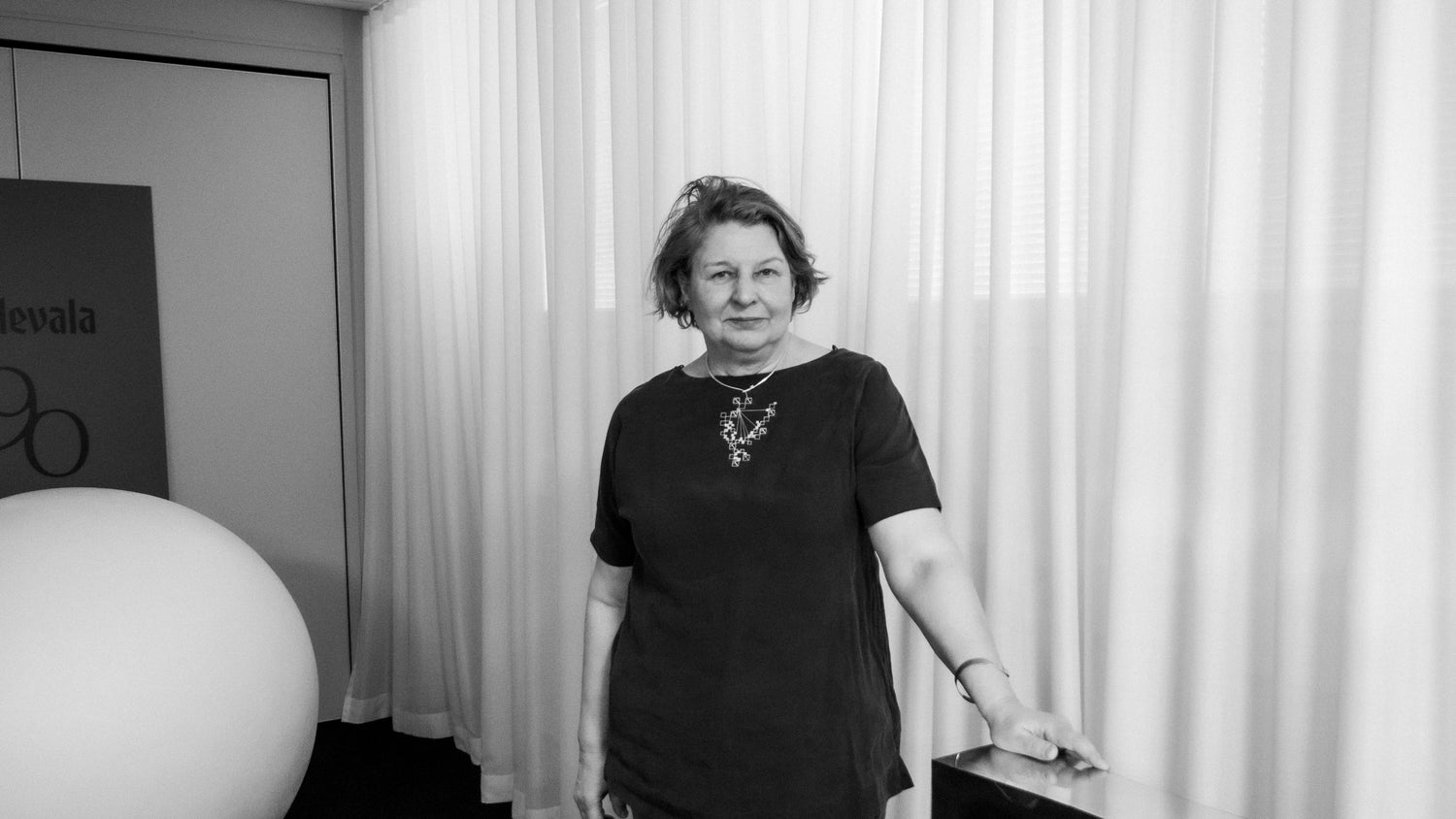
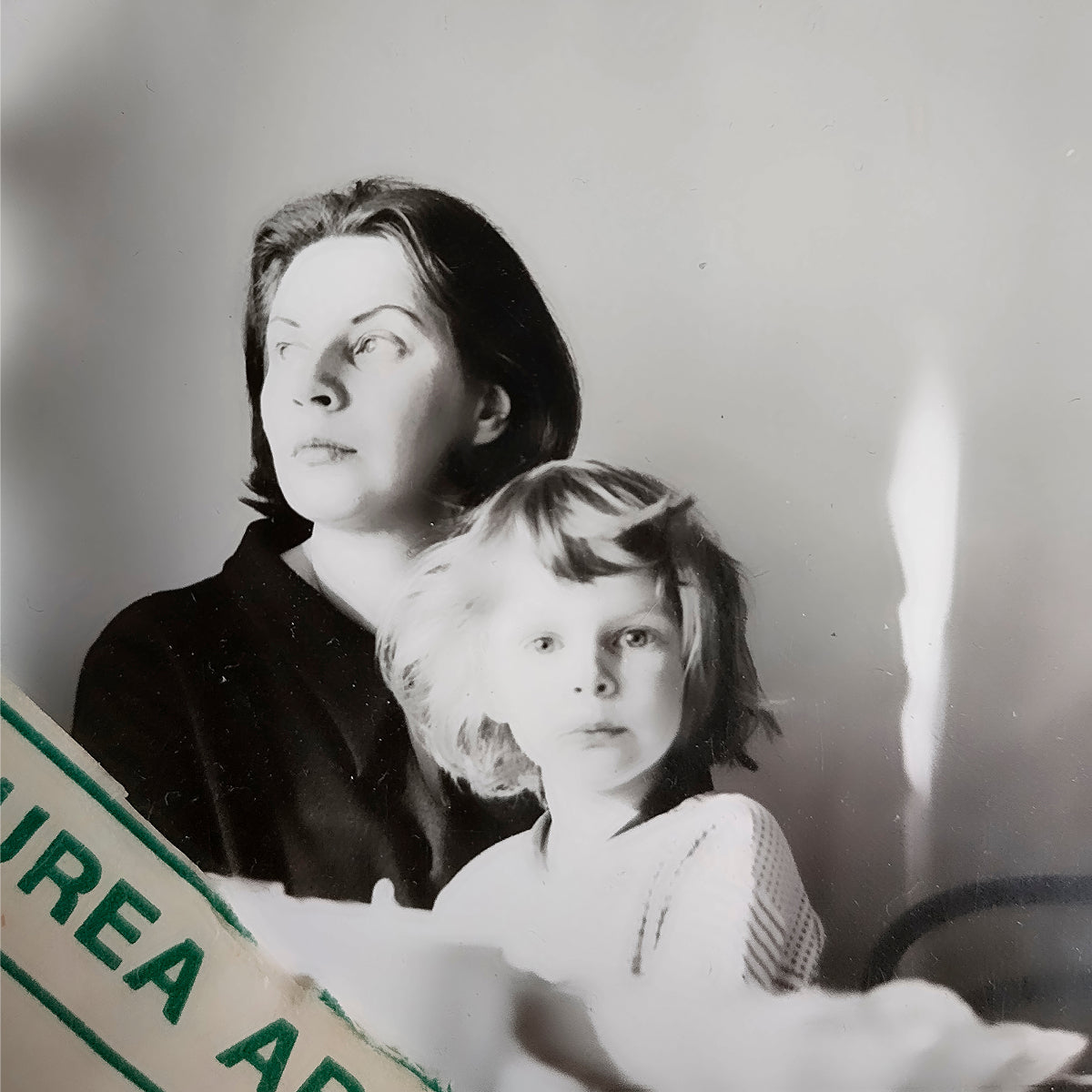
Kalevala Jewelry’s anniversary year is a story of boldness, and Paula Häiväoja (1929–2011) is a self-evident example of it. In 1963 she became Kalevala Jewelry’s first female head designer, at a time when the world of art and design was almost entirely dominated by men. Her ultra-modern forms changed what jewelry could be. We asked Paula’s daughter, the sculptor Johanna Häiväoja, to tell us about her mother: the designer whose language of form many people know, and the person whom fewer knew.
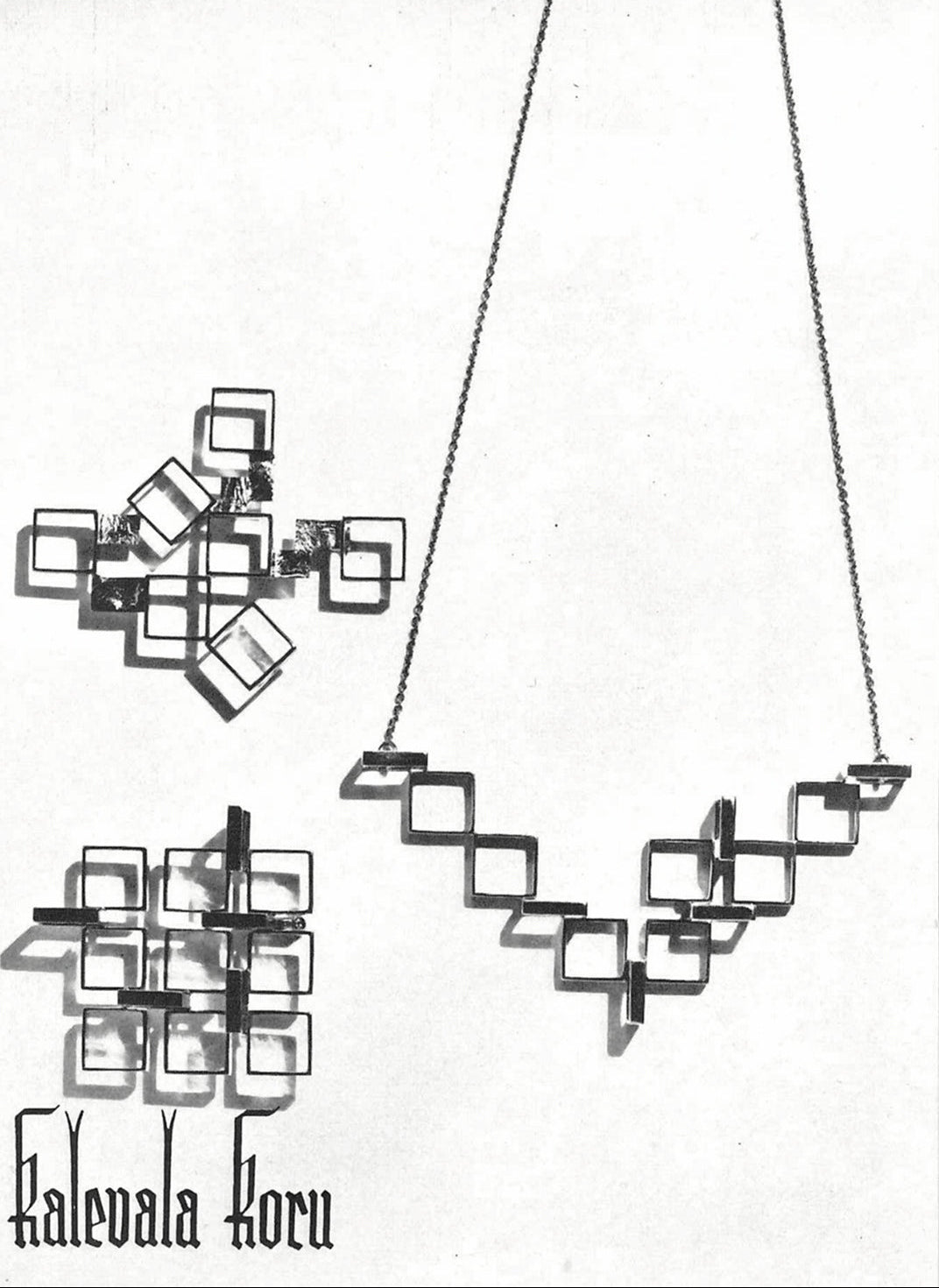
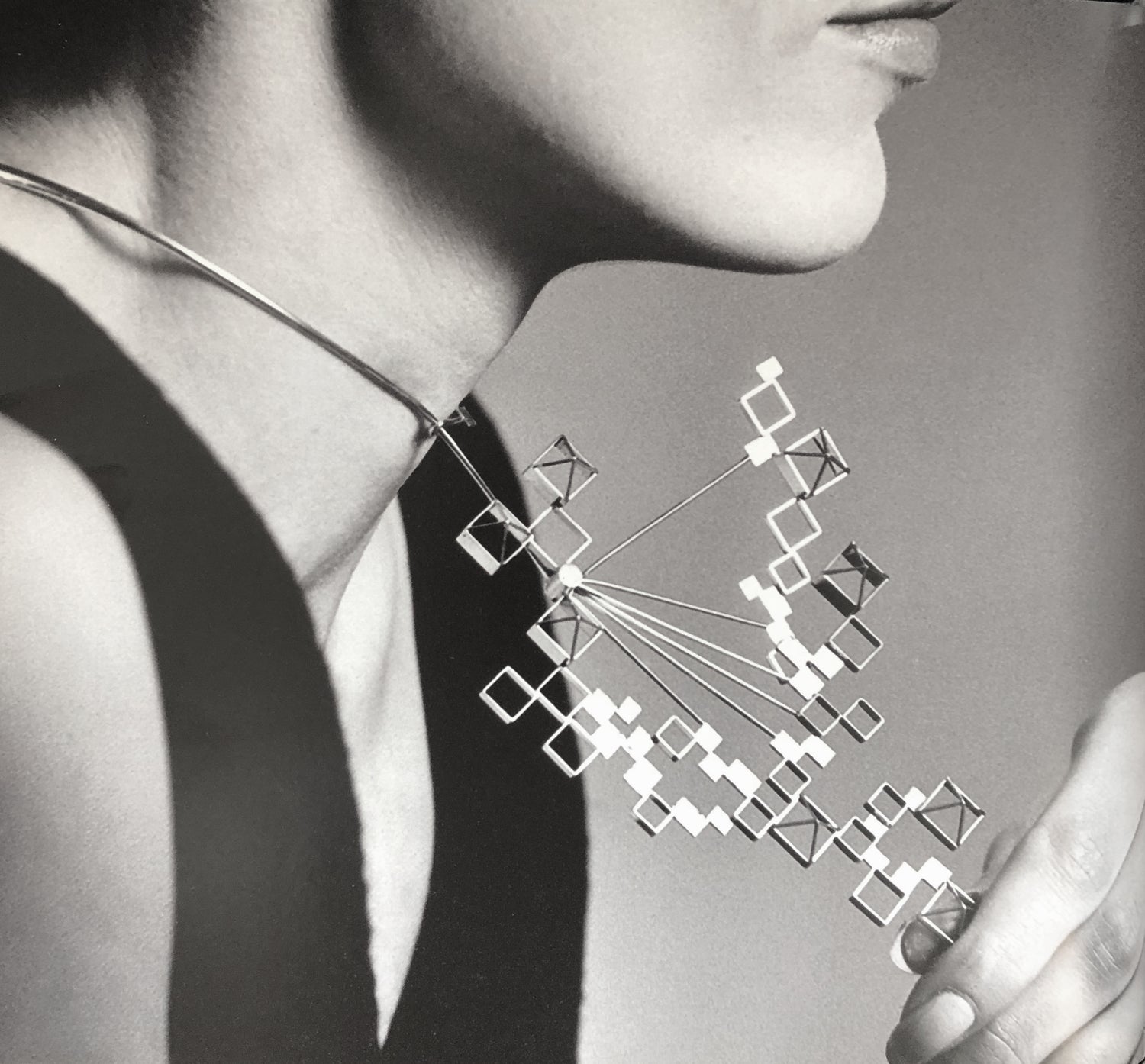
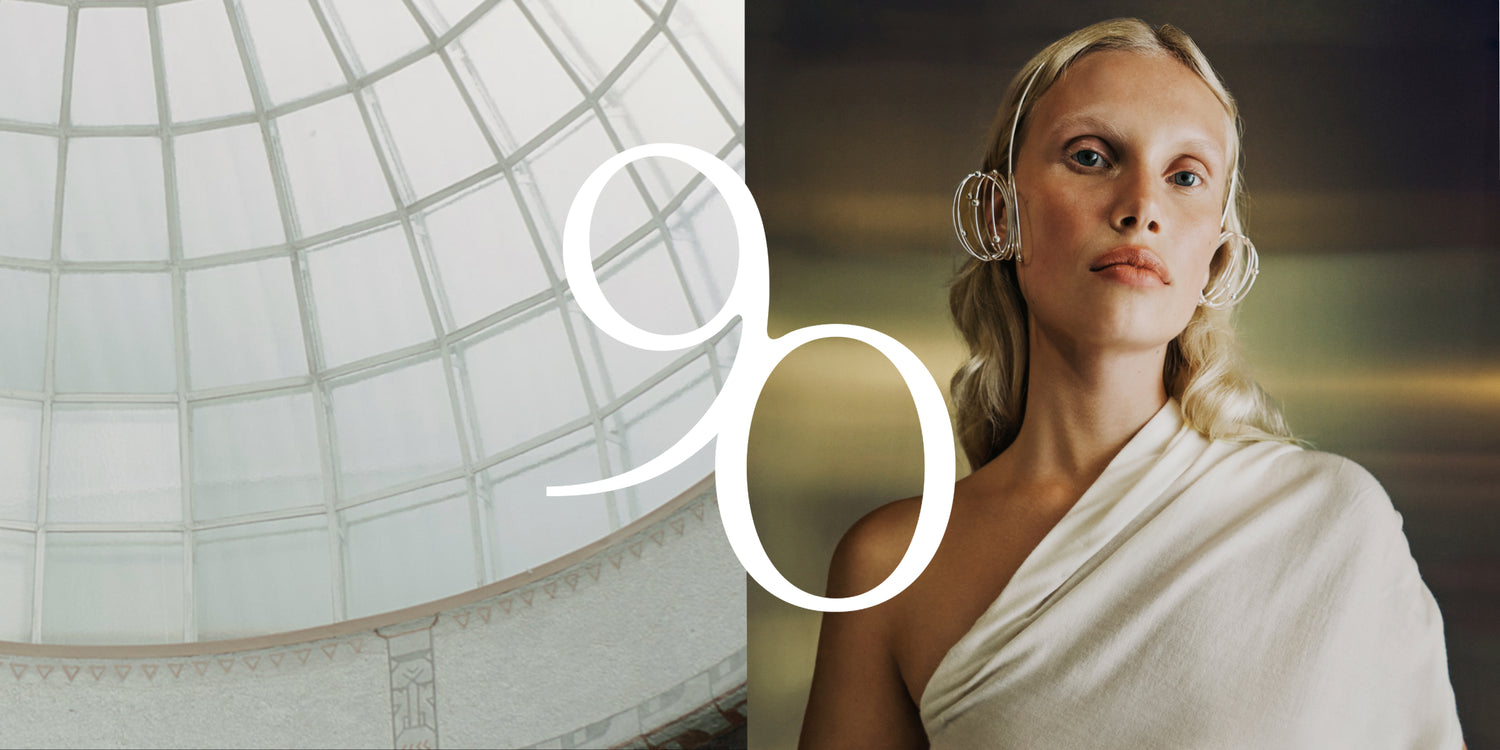
In celebration of Kalevala’s 90th anniversary year, the Himmeli* necklace Paula Häiväoja designed in 1964 returns to the Kalevala collection in its original form, together with new pieces inspired by her original designs. Simultaneously, Kalevala introduces Kehät*, a new jewelry series inspired by an avant-garde silver headpiece she designed in the 1960s.
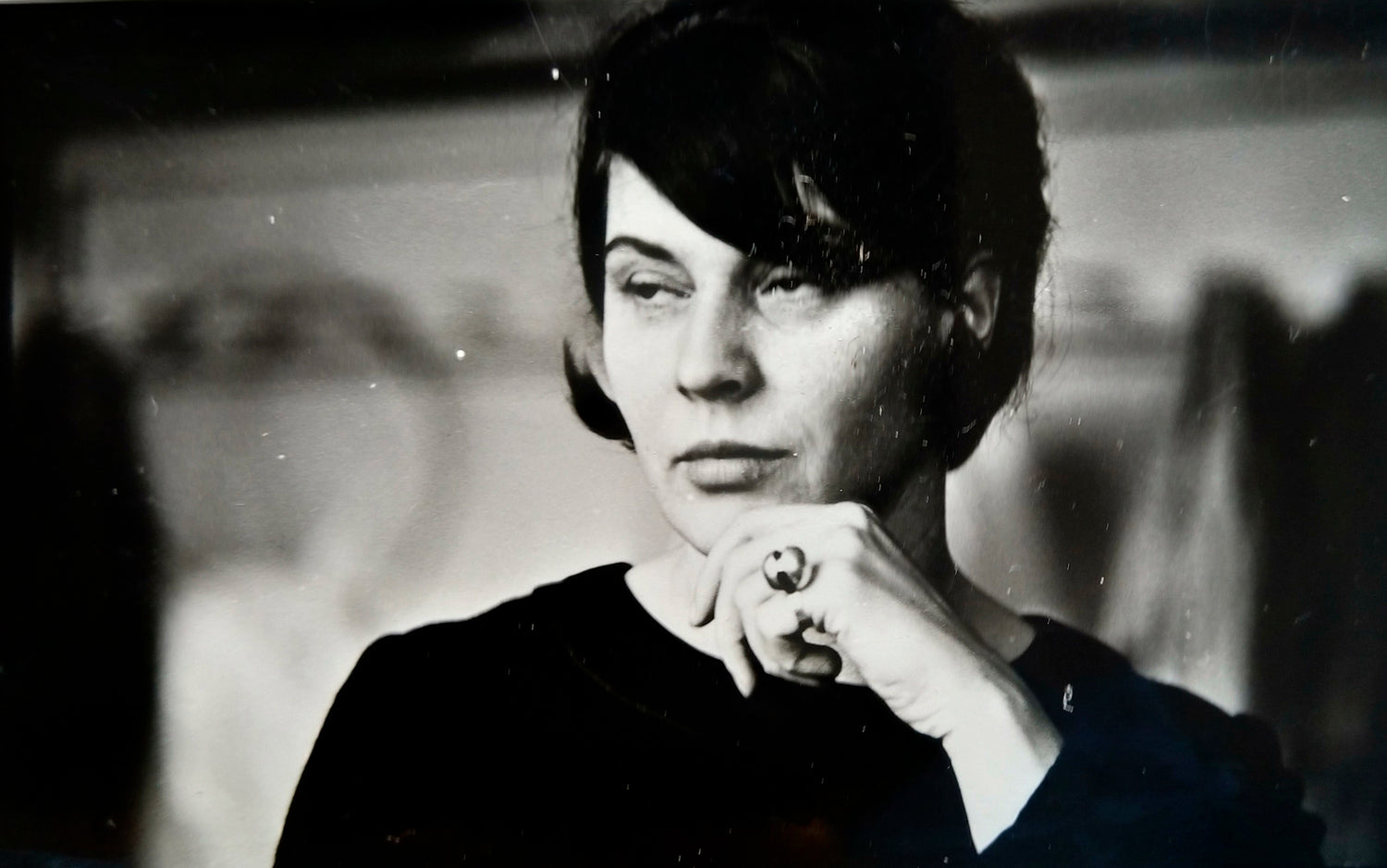
Paula Häiväoja. The person and the mother.
Tell us about yourself and how Paula Häiväoja was present in your life.
I am Johanna Häiväoja, a visual artist. I work in Normandy, France, and in Finland, mainly as a sculptor. The jewelry and clothing designer Paula Häiväoja was my mother. She is a role model to me as an artist and as an independent woman, and she was important to my family – my children Sara and Leo – as someone who also helped my French-born children make Finnish culture and its inner landscape their own.
Do you remember a moment or a situation that captures your mother’s relationship to form and beauty – not only as an artist but as a person?
Sometime in the 1960s a French fashion magazine came to photograph my parents’ house, and my mother was nervously arranging things into place, to the millimetre. Then one of the magazine’s stylists brought in a bouquet of flowers to ”liven up” the view – into the bin it went, very quickly. Paula’s built-in sense of style and her absolute sense of form did not allow any plan to be made public before it was perfect.
Growing up in your family’s artist home: was there a moment or a habit through which your mother’s presence as an artist affected you directly, and affected the way you began to look at the world?
A passionate attitude towards making, and the refining of drawings and models until everything is exactly right – and also an awareness of the value of one’s own work, and of looking after it.
What might people not know about Paula Häiväoja?
Despite her great interest in music, Paula was a hopelessly bad singer. And the worst of it was that her own good ear told her it was going wrong, but she still could not get the note right.
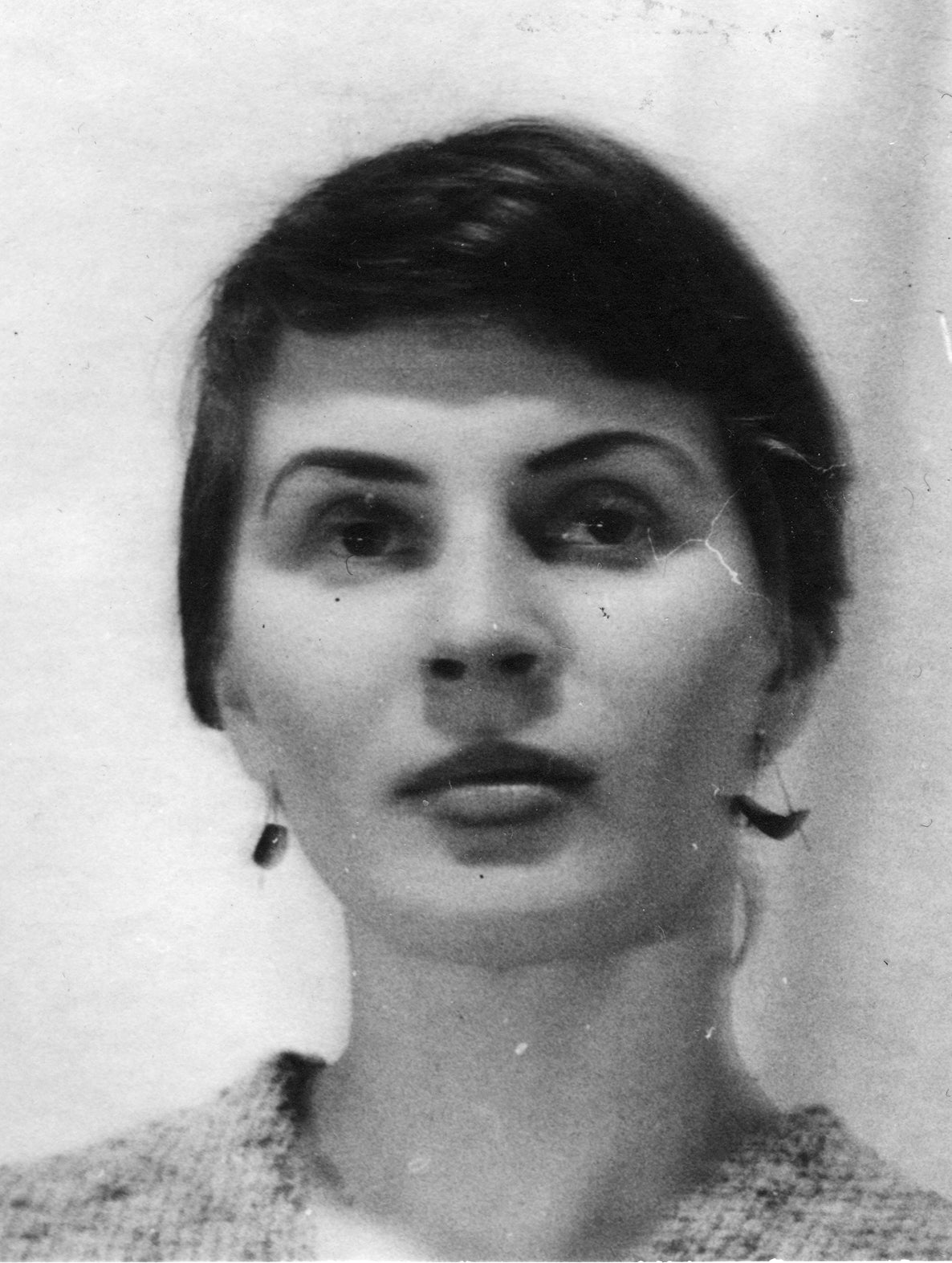
The artist and her vision
Your mother spoke of jewelry as ”a utility for the mind” – not as decoration but as part of a person’s whole expression. What do you think she meant by that?
A piece of jewelry – or a work of art more generally – is often acquired to mark an important moment or matter in life. It is connected to some powerful feeling or encounter, and it then works as a concrete, tangible thing that ties us, even years later, to that moment or that person.
”Jewelry is a utility for the mind, just as a refreshing garment is. But in this a piece of jewelry is the opposite of a garment: it is itself – independent of the wearer. The wearer can add something to its presence through movement, but cannot change its nature.” – Paula Häiväoja
Paula was a pioneer in a field that at the time was almost entirely dominated by men. Did she talk at home about what that meant to her, or where she drew her strength from?
If it is still harder for women to advance in an artistic career than it is for men, and to combine a possible family life with it, then in the 1950s and 1960s it was almost impossible. I do not actually even understand how Paula managed – against all the resistance, both outside the family and inside it – to design and realise all those tremendously fine pieces of jewelry, and to raise me alongside it all. When a family has two artists and one of them is a man, a competitive situation is inevitable. And at that time, at least, it did not advance a woman’s career.
”I do not actually even understand how Paula managed, against all the resistance, to design all those pieces of jewelry and to raise me alongside it all.”
You are a visual artist and a sculptor yourself. Do you see your mother’s language of form in your own work?
My mother’s language of form has only become familiar to me as a whole in recent years, as I have been working with the archives – I had of course been immersed in it throughout my childhood, without understanding how fine Paula’s work is. Of course, her influence has found its way into my own working: the pursuit of airiness, of flight and of lightness, which in sculpture are still the very hardest things to achieve. The achievements of science and technology that often inspired Paula are reflected in my own work too.
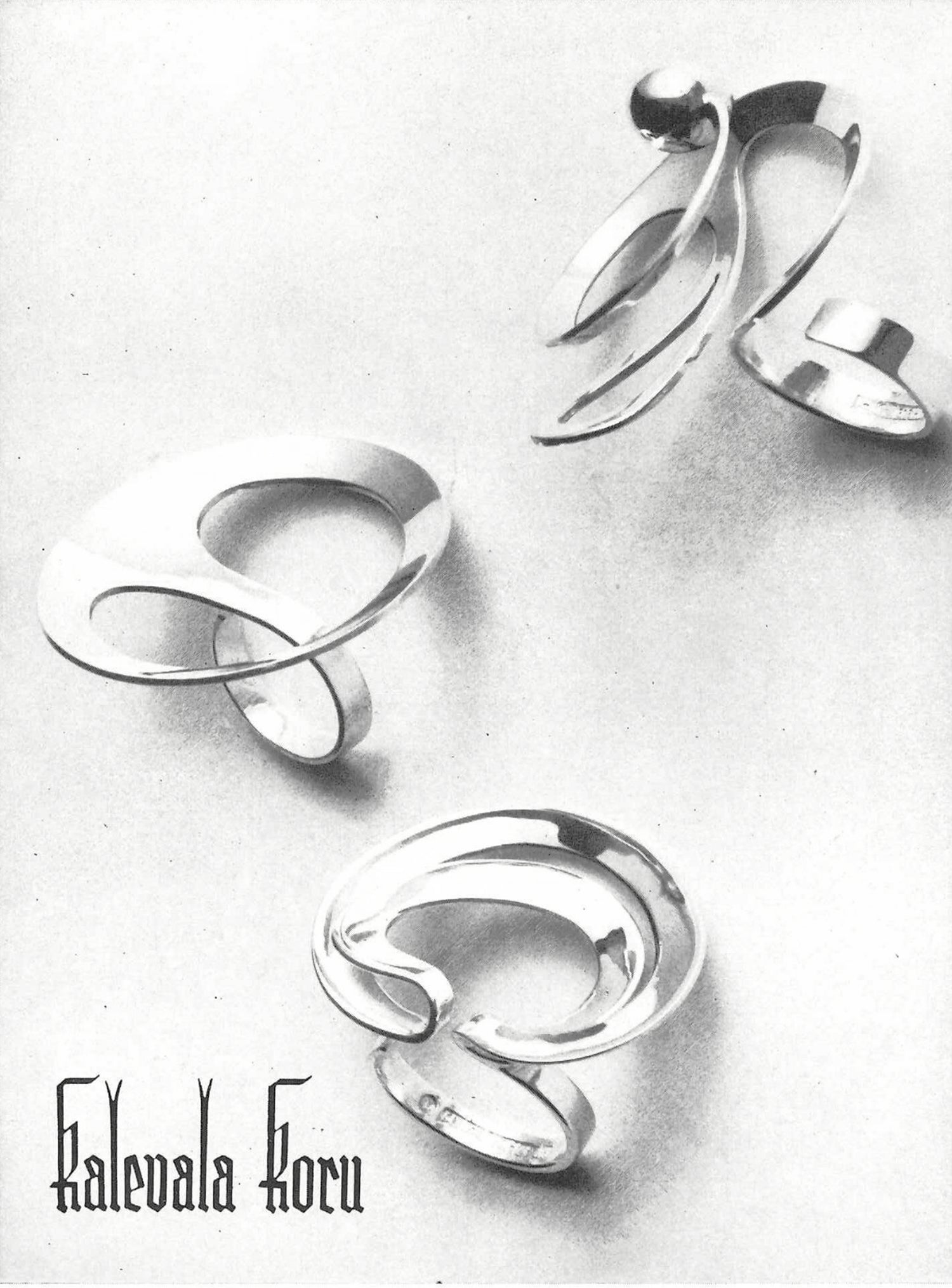
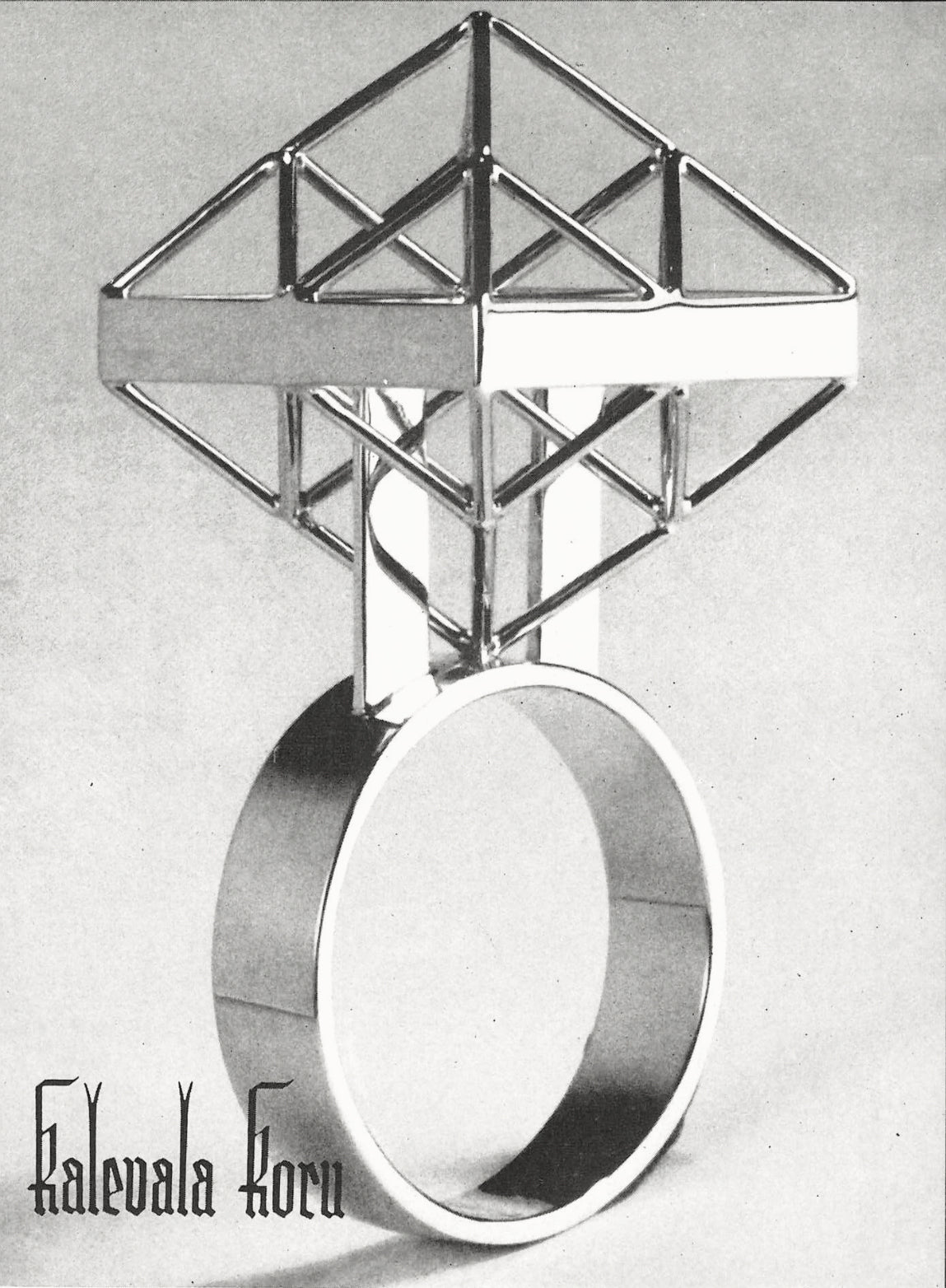
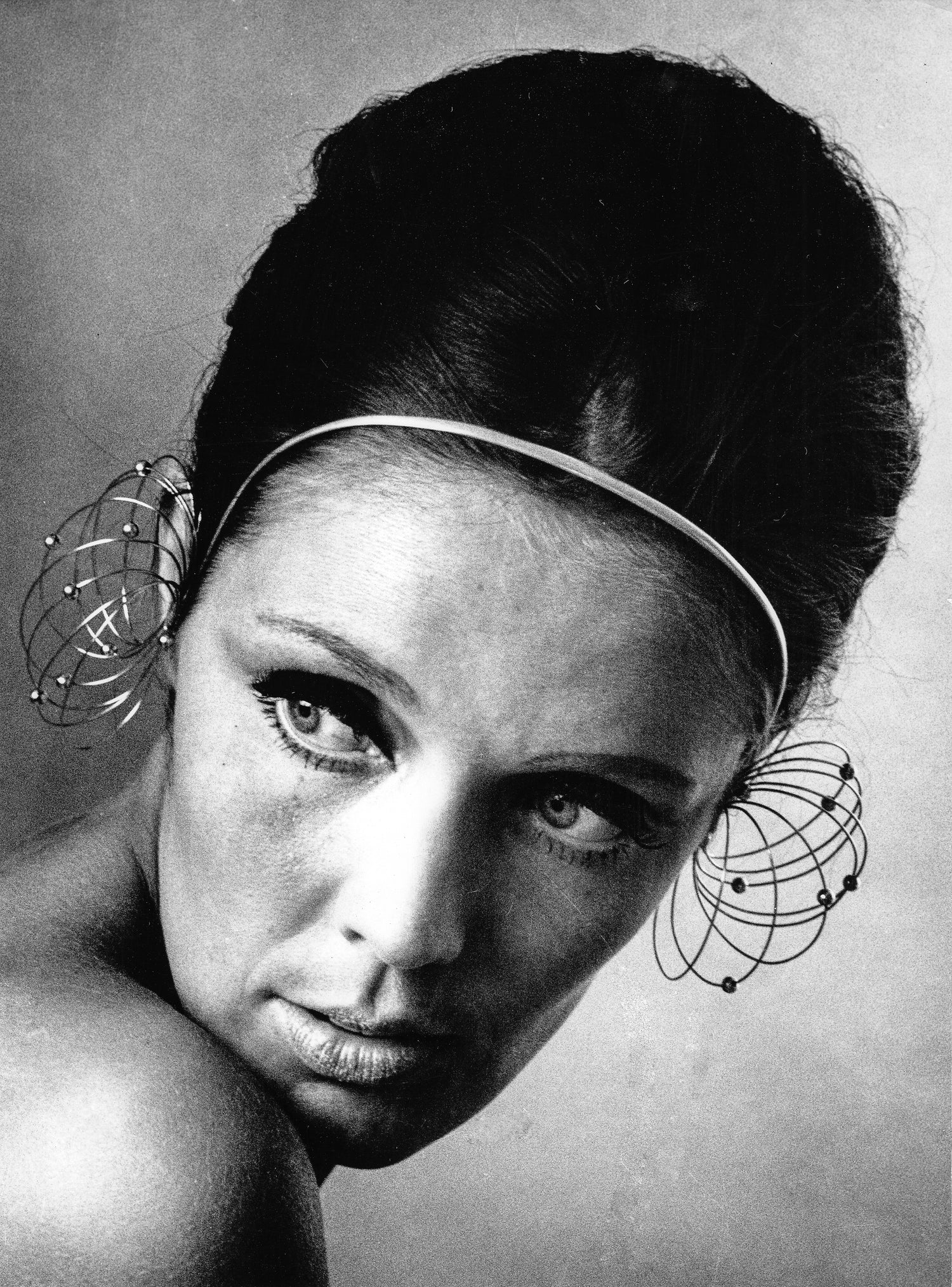
”Her influence is still clearly visible – and increasingly so – in the work of today’s jewelry designers” – Johanna Häiväoja
Legacy and the present
Himmeli returns to production in Kalevala Jewelry’s 90th anniversary year. Kalevala Jewelry is also releasing new collections inspired by Paula Häiväoja’s language of form. What do you think of this, and what do you believe your mother would think?
It is wonderful that Kalevala Jewelry remembers its first female head designer. Paula’s fine work unfortunately tends to be forgotten from time to time, even though her influence is still clearly visible – and increasingly so – in the work of today’s jewelry designers. Paula was modest, and her work is known far too little and is unfortunately hardly on public display. I hope the coming new design museum will finally put this right. Paula was uncompromising in her artistic design, and the demands of production and commerce could sometimes create difficult situations. But it is a shame if her fine pieces remain out of reach of a wider public for reasons of cost, and that is why these new collections matter. And if they lead new people to become interested in unique pieces as well, all the better.
What in her thinking or her life’s work feels particularly relevant today?
Jewelry is more than decoration. It is ”a utility for the mind, at its best a miniature artwork that travels with you, intellectually inspiring, emotionally exciting, reflecting the artist’s reality”. In the middle of all the virtual and digital fluff, a piece of jewelry that travels with you is something you can actually touch – and something that can actually touch you.
Your mother is regarded as a renewer of Finnish jewelry art – avant-garde and bold. Do you recognise that in the person you knew?
Paula was a little bit from another planet – or from the future. She was bold and tenacious and had the stamina to swim against the current – quite often, in fact – which in a Finnish society that strives for conformity has never been very popular. I still wonder whether anyone really knew her, she was such a many-sided person.
If you had to capture your mother’s memory in a single sentence, what would it be?
”I found my way into a world I never knew existed”, Johanna Häiväoja says, quoting her mother, the artist Paula Häiväoja.
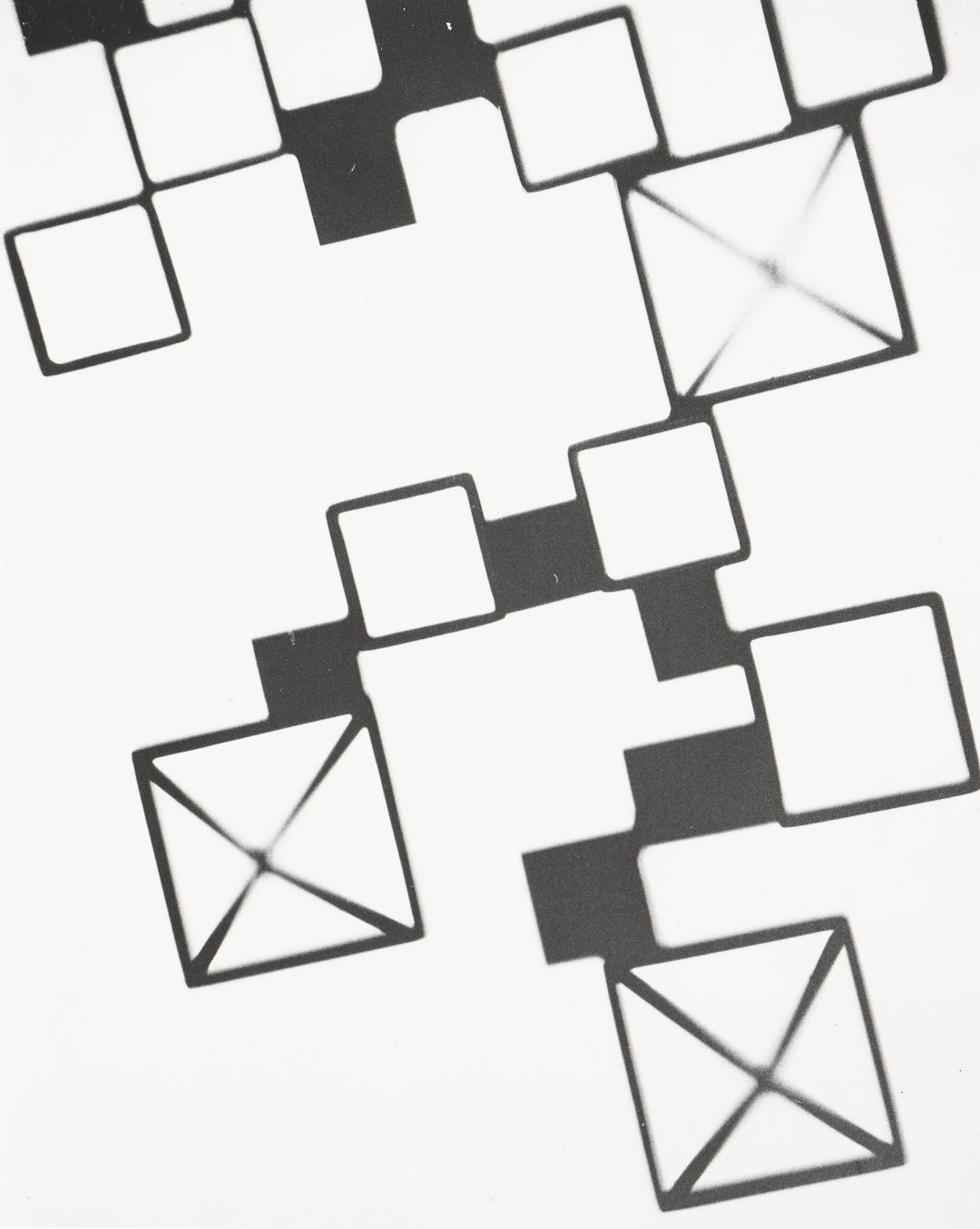
”a piece of jewelry is a clink
the joy of metal
laughter and song
a piece of jewelry is a utility for the mind
a piece of jewelry is an offering, an anti-jewel
m i n i a t u r e s c u l p t u r e
objet d´art”
– Paula Häiväoja
In Kalevala Jewelry’s 90th anniversary year, history is the starting point for something new
Paula Häiväoja was Kalevala Jewelry’s first female head designer, from 1963 to 1967. Sylvia Sarparanta, the company’s managing director at the time, gave her a free hand to realise her bold, futuristic visions. In December 2009 we held her 80th birthday exhibition at our Unioninkatu store. It was her last exhibition.
The Paula Häiväoja collection is released as part of the first collection of the anniversary year. The Himmeli — meaning a traditional Finnish straw ornament —necklace is made to order by our goldsmiths in Helsinki from 100% recycled gold and silver, in no more than 90 numbered pieces. The Himmeli collection also expands, and is joined by the new Kehät — meaning circles in Finnish —collection. Every piece in the collection carries the anniversary stamp. The Häiväoja collection is available from 24 September 2026.
Journal
Designer Portrait. Paula Häiväoja.
Kalevala x Marimekko Garden
International Women's Day 2026

Alluring – the form of quiet confidence
The popular Kalevala x Marimekko jewelry collaboration expands
Itu collection debuts at Copenhagen Fashion Week
Kalevala Muse Mikko Puttonen
Kalevala Training Center viisi vuotta
Kalevala Muse Meri Milash
Kalevala Training Center: Education Opens Doors
The magic of symbols
RAKAS Rolf Ekroth x Kalevala